Home Meet the Blogger Freebies Contact TeachersPayTeachers BlogLovin Instagram Pinterest Facebook Twitter Image Map

June 25, 2023

The Forgetting Curve: Why We Keep Forgetting

Have you ever experienced teaching a skill and when you bring it up again, students act like they have never heard it? 

Annoying, right?

Or, you begin to build upon learning students were supposed to have mastered last year, and THEY SWEAR they NEVER were taught it?

Frustrating, right? 

Well, it turns out.....your students might be telling you the truth.  

They might really have forgotten.

Over 100 years ago, German psychologist Hermann Ebbinghaus wanted to understand more about memory, why we forget and what we can do to prevent it. 

So, he conducted a study, using himself as the subject.  

He presented himself with a list of nonsense CVC words (i.e. dok, bov ) and attempted to recall those nonsense words over different lengths of time.

Ebbinghaus discovered that when you first learn something, the information disappears at an exponential rate without retention.  

According to Ebbinghaus's research you lose 50% of all information within a day and 90% of all new information within a week (Virtanen, 2023).  


Check out this short video from Growth Engineering, which does a fantastic job describing the forgetting curve!  This would be a great video to share with administrators and fellow teachers.


Over the years, many researchers have replicated Ebbinghaus's study to see if his findings were accurate.  

AND.....all studies reached the same conclusion Ebbinghaus did.  The forgetting curve is real, folks! 

So what were the findings Ebbinghaus discovered about knowledge retention?  The four key takeaways are:


1. Relevancy  


  • Memories are stronger when an individual has an interest in the information being presented.

2. Time


  • The biggest drop in retention happens soon after learning.  Learners will forget an average of 90% of new information within the first seven days.


3. Presentation 


  • The way information is presented matters.  Make learning logical and clear.


4. Feelings


  • Physiological factors (such as sleep and stress) influence how well we retain information.  


We know the forgetting curve is real.

We know brains are hard wired to get rid of any information they don't deem necessary for survival.

So, as educators, how do we combat the forgetting curve?  How do we help our students' memory? 

Check out the next post in the series, to answer just that! 


References

Virtanen, A. (2023, February 23). What is the forgetting curve and how can you combat it?. Growth Engineering. https://www.growthengineering.co.uk/what-is-the-forgetting-curve/#:~:text=Ebbinghaus%20discovered%20that%20reviewing%20new,help%20it%20to%20become%20stronger.

June 15, 2023

Teacher Recommended Books to Celebrate Summer

Warmer weather has arrived!

Alarm clocks are turned off, and lazy summer days are here to stay.  

Well....here to stay for at least a couple of months. 

Whether you plan to spend these delightful days at the beach, by the pool, in a tent or in the comforts of an air conditioned home....make sure to crack open one of these summertime favorites to delight everyone in the family!   


The following seven books celebrate all that summer has to offer.  There is a book about camping, visiting the beach, swimming, amusement parks and spending quality times with loved ones.


Katie Catz Makes a Splash  by Anne Rockwell

Do you have a child that is afraid to swim?  Katie Catz was terrified to swim, but she learned how from ultracool Patsy Polarbear just in time to attend Brendan and Belinda Porker's birthday party.  Young swimmers can share Katie's fears AND celebrate with her as she completes her first lap across the pool.  This is a great book at bout facing fears and taking chances!


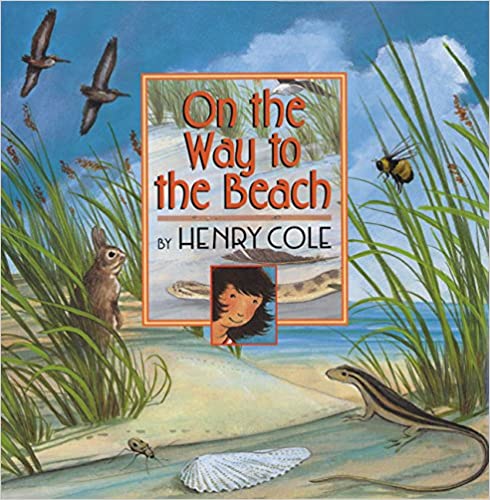
On the Way to the Beach by Henry Cole

Little readers will follow a young girl on a summer stroll to the beach.  As she walks, she passes through the woods, a marsh and sand dunes.  She often pauses to observe and think about the wildlife watching her. A foldout reveals animals, birds, insects and plants in each of the coastal settings---which is great for curious young minds!


Zigby Camps Out by Mr. Brian Patterson

Follow along as Zigby Zebra and his friends decide to campout in the deepest, darkest part of the jungle.  When Zigby and his pals get cold, hungry and scared they decide to pack it in, head home and eat dinner.  Zigby finishes his campout in the safety of his own backyard.  I'm sure Zigby's camping story rings true for many families who have "camped" for the first time.  


Blackout by John Rocco

One hot summer night in the city, all of the power goes out.  What is a family to do?  They can't use the phone, work on the computer, watch tv....or even finish cooking dinner.  John Rocco authors this lovely story about the pure joy in being fully present in the moment. 


Lucille Camps In by Kathryn Lasky

Poor Lucille is too young to go on the camping trip with her dad and older siblings, and she is NOT happy about it.  Lucille's mom tries everything to cheer her up, but nothing seems to work.....until Lucille gets an idea of her own!  Lucille and her mom are going to camp in!!  A delightful story about how your imagination can take you anywhere!!


Roller Coaster by Marla Frazee

Do you like riding a roller coaster, but hate the wait?  If so...check out this book, as it has all of the excitement without the dreaded long line!  This book is so fun to read aloud with sounds like clacking and yelling as the text loops and drops!  


And Then Comes Summer by Tom Brenner

This ode to summer will delight anyone who has ever counted down the days until school gets out.  Tom Brenner has a summer favorite for everyone in this book--flip flops, hide and seek, fireworks, ice cream trucks, lemonade stands and even roasting marshmallows! This book leaves little doubt that summer is a season like none other!


Are you looking for more great summer book reads?  Check out this list from PBS or Reading Rockets!

June 6, 2023

A Teacher's Summer Bucket List

My previous blog post was devoted to kids and what they want to do over the summer months.  

BUT.........

What about us?  What about teachers?  What about adults?  We DESERVE to make fun plans for ourselves too!!

Can I get an Amen?!?!

Every school year is taxing for educators, administration and support staff.....

Your summer break should be spent doing things that make you feel rested and recharged! 

All too often summer break seems to quickly slip through our fingers, and we arrive at the beginning of August and wonder how the new school year arrived so quickly?!?  

Summer is an elusive little season, isn't it? 

In order to take full advantage of your time off, I urge you to make a Summer Bucket list for yourself! 

Bucket lists are a great ways to ensure that relaxation, fun and meaningful moments happen. By the end of the summer I want to look back on the the two months and have something to show for it---and I want that for you too!  

Click here, or the image below to download this free resource!  Included in the download are multiple bucket list bingo boards.  There are two pre-filled bucket boards with lots of fun options!  You don't even have to think of your own fun--just print and start enjoying life.  Ha!  

There are also two boards that are mostly filled, but with a few blank spaces.  The mostly filled option is great if you have a few of your own ideas you want to insert! Last, there is  a completely blank board for those of you who have a brain swimming with fun ideas!


I truly hope you find this Summer Bucket List for Teachers helpful and that you have an opportunity to take these next few months to take time for yourself.


Summer is the perfect season to slow down, take a deep breath and breath fresh perspective into your life.  Remember that self care doesn't mean me first, it just means me too!  If you are looking or more ways to relax and take care of yourself click here or the image below!


May 29, 2023

Summer Bucket Lists for Students

My brain is already buzzing about what fun things I want to do this summer!  

Now, If I am thinking all of these summery things.... I know my students are thinking about it too! 


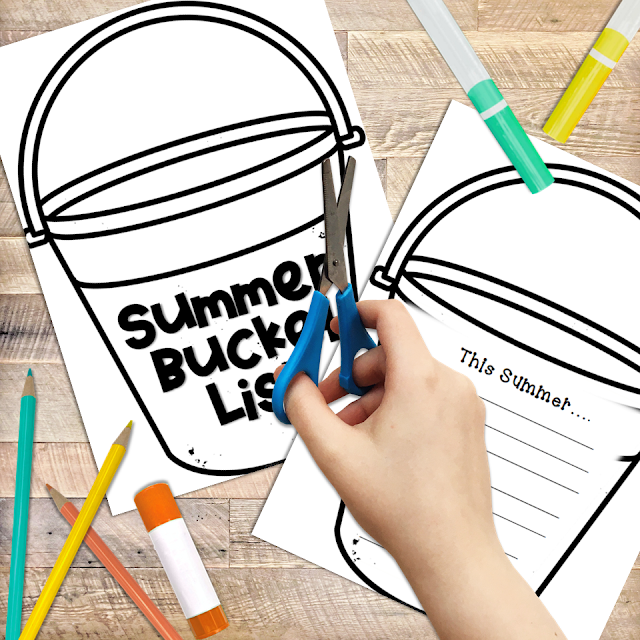
A great project to get your kids' sunny thoughts down on paper is to have them create a summer bucket list! 

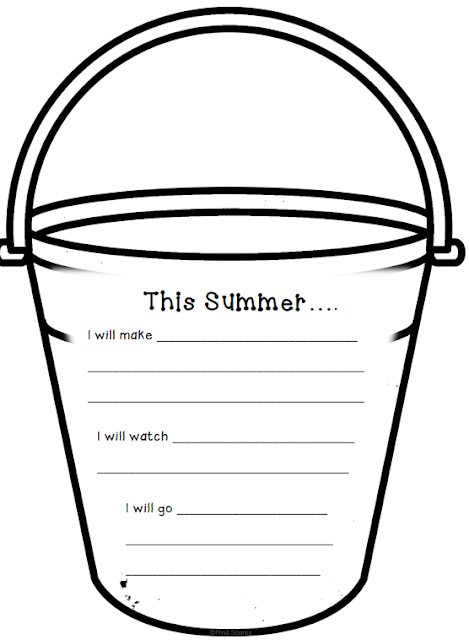
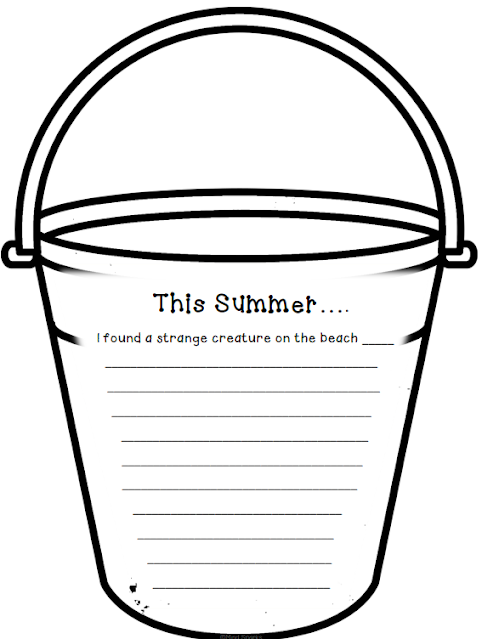
I love this project as an end of the year capstone.  I double love it because it is easily adaptable to multiple ages and grade levels.  Click the image below to download it for FREE!!  


For beginning writers, use the buckets with sentence stems.  New writers simply have to fill in their thoughts! If you have a writer that really struggles, use an adult or fellow student to act as a scribe. 


For older students, or students who love to be creative--try a bucket with a summer story starter.  You will be amazed at some of the creative stories students can come up with. 


Other buckets are just blank templates. These are designed with advanced writers in mind, as experienced writers do an excellent job of generating ideas, organizing their thoughts and getting it down on paper.

This activity is definitely one that you can use year after year!


Happy writing!


May 16, 2023

Reflection Power

When the school year is over, So. Are. Teachers.  

We are tired. Exhausted. Drained. Physically, emotionally and mentally spent. 


We are so excited to turn off that alarm. Stay in comfy clothes.  Eat a meal that lasts longer than 10 minutes without being interrupted.  Use the bathroom whenever we want. 

BUT....

The end of the year is the perfect time for reflection! 

I know it is tempting to not spend one more moment thinking about school, however there is SO MUCH power in looking backwards and reflecting on your school year.


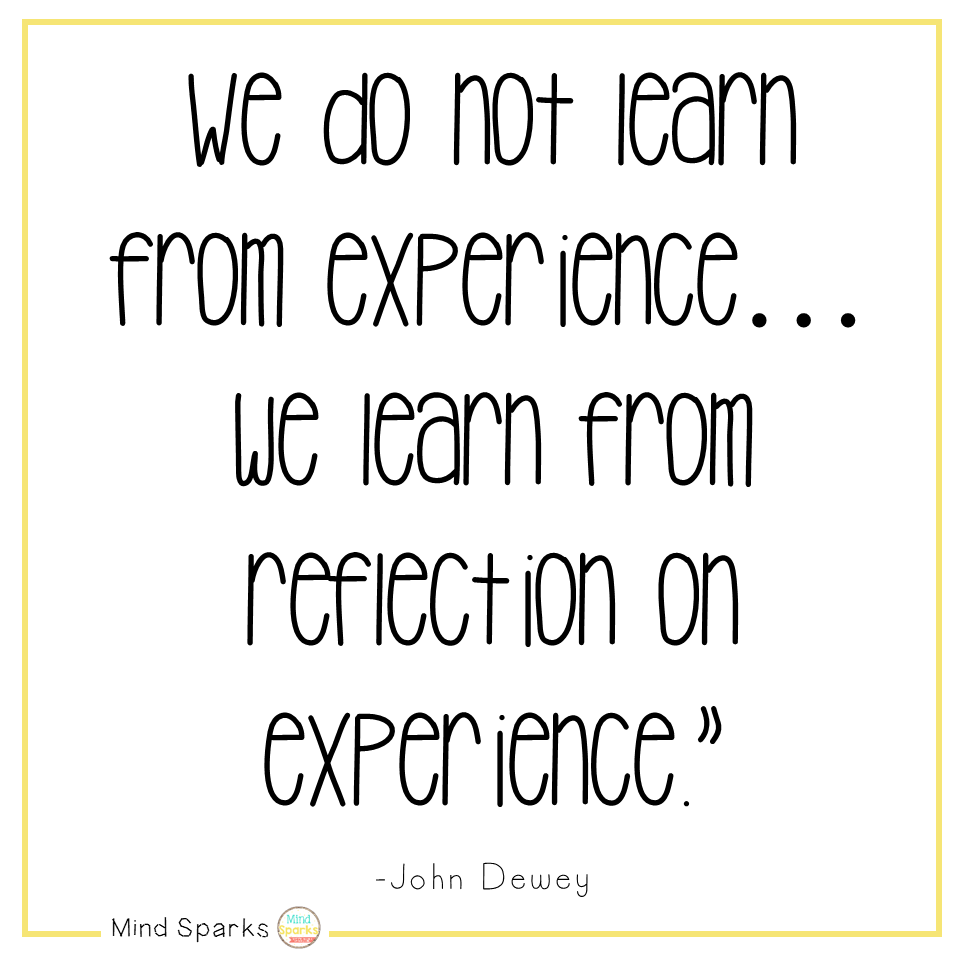
It is proven that we learn from processing through our own experiences.  When we stop and spend time thinking about the academic year, we grow and develop professionally.  Insights, celebrations, frustrations and goals come with reflection.

Thus, I urge to take a few minutes to reflect on the following questions!  

  • How did your school year go? 
  • Why was it so?
  • How did you grow?
  • How will it show?


Perhaps, use the following graphic organizer to jot down the answers to the questions above. 

Even better yet.... after you have completed the graphic organizer, share you thoughts with a colleague, administrator or instructional coach!  If we hold conversations with others our reflections are amplified.


If you are interested in using this graphic organizer with your staff or sharing with your colleagues, click the image below to download it for FREE!  


May 12, 2023

Celebrating Students at the End of the Year 🥳

Say hello to the end of the school year!  

This time of year is always full of so many emotions.  It is stressful and chaotic with wrapping up instruction, benchmark assessments and finalizing grades.  

Whew....so much!  


It is also fun and filled with excitement as you celebrate the learning and growth with your students.  

PLUS who can forget all of the end of the year celebrations---ice cream parties, field day, yearbook signing, graduation assemblies, etc. 

In my intervention group we always end with an ice cream party with LOTS of toppings and then the students have a chance to play games, or play outside.  It isn't anything fancy or a lot of work, but a great capstone for the end of the year.   

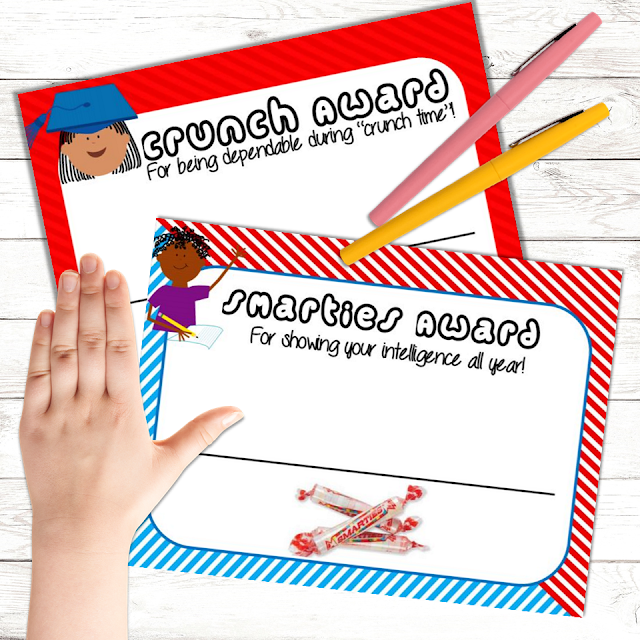
I also hand out student awards to celebrate the growth students have had in my classroom.  I like to include a special treat with my awards--so candy themed awards are a go to!  

Each student receives a certificate and then a candy bar that corresponds to the certificate.  For example a Milky Way because the student is "out of this world" or a Snickers because he or she always tells funny jokes. 


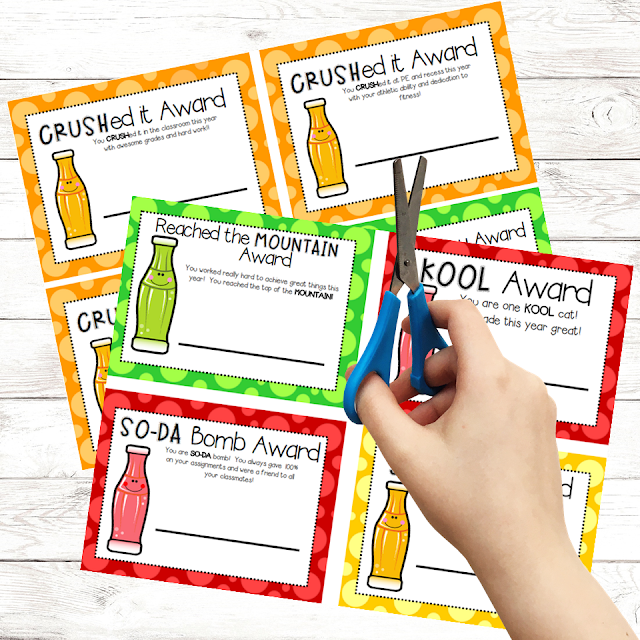
I have also done drink awards, which is basically the same as the candy awards.  

Instead of receiving candy, the student receives a drink that corresponds to the certificate.  For example a Fanta for being fantastic, or Dr. Pepper because they pepped up the class all year. 


Hop on over to Mind Sparks on TPT where you can nab these fun certificates, and alleviate some of the stress in planning an end of the year celebration! Just click here, or the images above!

If you don't have a ton of time to purchase treats, or your wallet is looking a little thin....generic certificates are fun as well.  

Lets face it--it is just nice to be given a certificate...it makes you feel important and special!  Click the image below or click here to download the black and white generic set for free! 


How do you celebrate students at the end of the year?  I am always looking for more ideas!

May 4, 2023

Top 5 Mistakes Teachers Make Teaching Vocabulary


Teaching vocabulary can be tricky!  Most of us never took a class in college which covered effective reading instruction...AND as elementary teachers we have more than just one subject to devote our time to studying. 

Some teachers may just be winging the whole "vocabulary thing,"  Teachers are simply doing the best they can with the tools they have in their toolkit.  So, it seems reasonable that we might be making a few mistakes.  The good news---common mistakes are easy to fix!  

Keep reading to find out the top 5 mistakes teachers make with vocabulary, AND what you can do to fix those mistakes!


1. Not teaching vocabulary

When someone doesn't feel efficacious about something, or see the benefit....sometimes it gets skipped or pushed to the "I'll just do this later list."  Vocabulary instruction is NOT something that should be skipped.  

Research supports that teachers should be directly teaching 3-5 words per text selection!  This means students should be adding 2,000 to 3,000 new words per year to their reading vocabularies. (Beck, McKeown & Kucan, 2002).  Check out A Routine for Explicit Vocabulary Instruction for how to directly teach a term. 


2. Not explicitly and directly teaching words


We learn vocabulary in two ways, incidentally and and intentionally.  Incidental learning is when children are indirectly exposed to words.  Indirect exposure to words happens when students engage in oral language experiences (talking with friends, adults, siblings, etc.), listening to books being read and independently reading.  Most of our vocabulary is acquired incidentally, however this cannot be the only way we learn new terms!

Intentional learning of words happens through direct and explicit instruction.  As mentioned above, research supports teachers directly teaching 3-5 words per text selection, and getting students to truly own a word.  This means students students should explicitly taught some 400 words per year in school (Beck, McKeown & Kucan, 2002).  

To truly own a word, students must be able to pronounce the word, understand its meaning and use it during conversation or in writing.  Check out A Routine for Explicit Vocabulary Instruction for how to directly teach a term! 


3. Not illustrating connections to other words


Our brains crave organization and patterning.  As we learn words, our brains are creating pathways to connect new words with known words. Every word in your mental dictionary is connected to other words, ideas or images.   

Help students truly understand a vocabulary term by facilitating connections.  Some great classification activities include the following:
  • Open sorts--give students a group of words and have them group the words how they see fit.  
  • Identification of categories--show students a group of words that go together and have them determine a category label.
Check out this free one-pager resource which includes 12 different ways you can have students sort and classify words!  A list of words can be compiled based on a spelling pattern, phonics skill, vocabulary or grammar concept!  


4. Not providing ample opportunities to use newly learned terms


One principle of effective vocabulary instruction is providing multiple exposures to a word and it's meaning.  There is great improvement in vocabulary when students encounter vocabulary words often (National Reading Panel, 2000).  Students have to see a word multiple times, and in multiple contexts to truly own the word.

Check out Resources to Teach Vocabulary for oodles of ideas on how to provide students with multiple opportunities to interact with vocabulary terms.  


5. Not selecting the right words to teach


Determining which words to teach our students can be tricky.  There are just SO. MANY. WORDS!

Leading literacy experts (e.g. Archer & Hughes, Beck, Graves, Stahl & Nagy) all agree on the following five rules when selecting vocabulary to explicitly teach.

  1. Choose words students probably don't know
  2. Choose words that are crucial for text understanding
  3. Choose words that students will encounter often
  4. Teach words that are difficult to learn without explicit instruction
  5. Select 3-5 words for each text.
If you are looking for more information on how to best select vocabulary words to explicitly teach, check Choosing Words to Teach by Isabel Beck, Margaret McKeown and Linda Kucan published on Reading Rocket's website.  These ladies are the true guru's of teaching vocabulary!